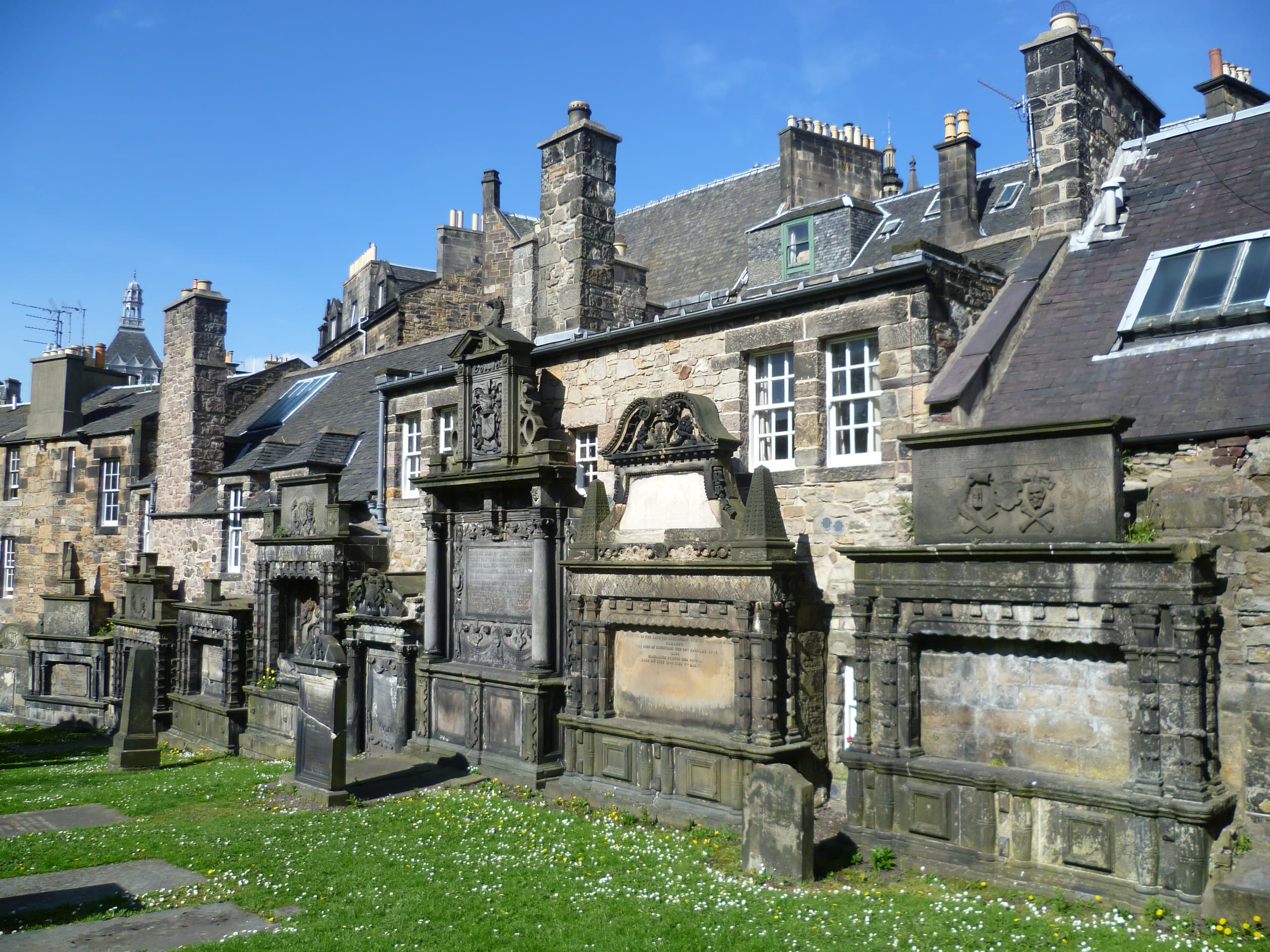
There are cities that feel old.
Then there is Edinburgh.
The kind of old where every close, stairway and stone arch seems to have a story waiting behind it.
And under part of the city, the story is not imaginary.
What is actually under Edinburgh?
Beneath South Bridge sits a network of chambers known as the Edinburgh Vaults. They were built into the bridge in the late 1700s and were first used by traders, workshops, taverns and merchants.
The businesses eventually left. The vaults became damp, dark and difficult to live in. Later accounts connect them with poverty, illegal gambling and other criminal activity. Some of the most dramatic stories — including claims about body snatchers — remain rumours rather than proven history.
That mix is what makes the place so effective. The rooms are real. The conditions were harsh. The legend grew around something that already felt deeply uncomfortable.
.jpg&w=3840&q=75)
The Edinburgh Vaults are real underground chambers beneath South Bridge. Image via Wikimedia Commons.
The part that still feels wrong
People who visit the vaults often talk about cold spots, unexplained sounds and the feeling that somebody is standing just out of sight.
That is not proof of anything supernatural. The spaces are enclosed, uneven and full of echoes. A guided tour, a dramatic story and a dark room can make your brain connect dots very quickly.
But that explanation does not make the experience feel less intense.
The vaults give you exactly what a modern ghost story needs: a real location, a heavy history and enough uncertainty for your imagination to take over.

Then there is Greyfriars Kirkyard
If the vaults make Edinburgh feel claustrophobic, Greyfriars Kirkyard makes it feel watched.
The cemetery is one of the city’s most recognisable historic places and is closely tied to stories about the Mackenzie Poltergeist. Visitors and tour guides have shared stories of scratches, touches and strange sensations near the Covenanters’ Prison.
Those reports are legends, not settled facts. Still, the setting does not need much help. The gravestones lean into narrow paths, the walls close the space in and the city’s noise fades surprisingly quickly.
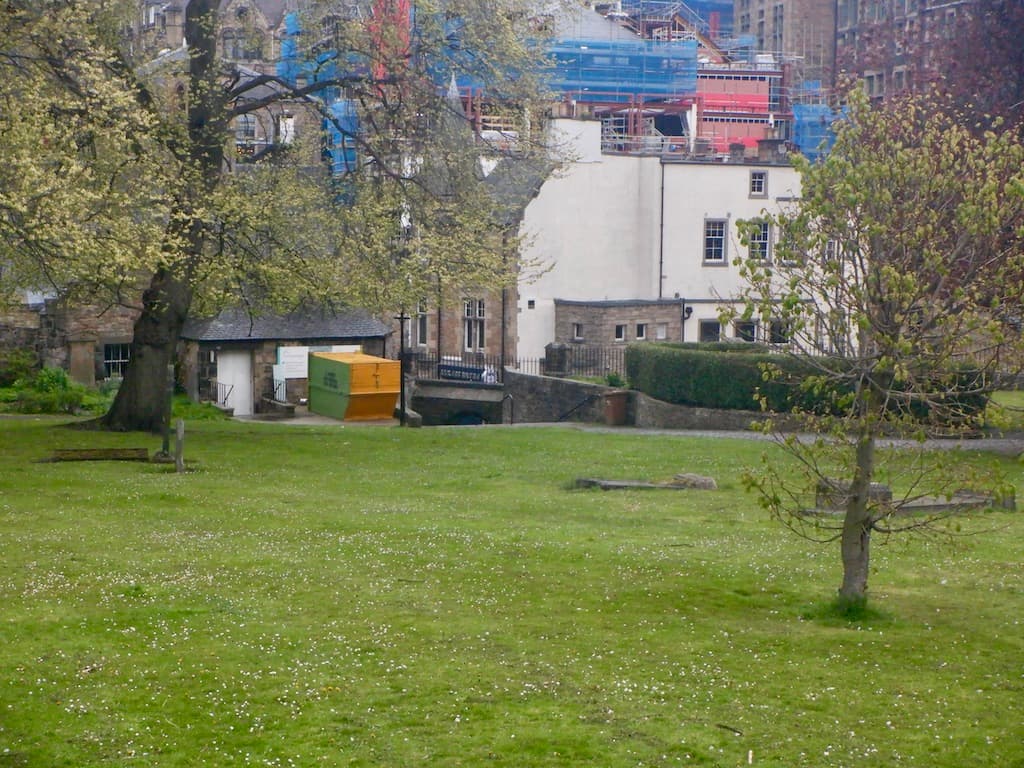
Greyfriars Kirkyard is one of Edinburgh’s most atmospheric historic places. Image via Wikimedia Commons.
Why people still make the trip
The appeal is not really the question “Are ghosts real?”
It is the combination of things you can verify:
- old streets and hidden closes
- underground chambers beneath a working city
- graveyards with centuries of history
- documented hardship and crime
- stories that never received a satisfying ending
Edinburgh is frightening because it is visitable. You can walk the same streets, stand above the vaults and join a tour through the places people have been arguing about for generations.
That makes it perfect for a dark weekend trip: atmospheric enough for the story, but still full of cafés, museums and busy streets when you need to feel normal again.
How to do it without making a bad decision
Base yourself in or near the Old Town so the evening stays simple. The Royal Mile, Cowgate and the streets around South Bridge put you close to the main ghost-tour routes.
Choose one guided experience rather than trying to do every haunted location in a single night. Reputable operators can explain what is historical, what is folklore and what is simply a good story told in a dark room. Forever Edinburgh’s guide to ghost and underground tours is a useful starting point for comparing the different styles of tour.
Do not treat the stories as evidence that a place is dangerous. Stay with your group, follow the guide and remember that the real history is already strong enough without inventing details.
So, would you go?
You do not have to believe in ghosts to understand why Edinburgh’s underground stories survive.
The vaults are real. The kirkyard is real. The city’s history is real.
The rest is the part your brain adds when the guide lowers their voice, the lights disappear and something moves somewhere behind you.
That is probably why people keep going back.
Because even after you decide you do not believe it, you still want to know what made that sound.

.jpg)
