
Gaming is having another social era. Not because solo games disappeared, but because more players are treating games as rooms to meet in: somewhere to talk, laugh, make plans and keep a friendship alive when everyone’s schedule is chaotic.
Recent gaming reports point to Gen Z using games as part of identity and community, while 2026 trend coverage keeps circling back to active participation and smaller groups built around shared interests. The practical takeaway is simple: the best multiplayer game is often the one your friends will actually return to.
The lobby is the new group chat
A game gives a group something to do while they talk. That can feel easier than arranging a formal hangout, especially when people are studying, working part-time or living in different places.

The game is often the excuse; the conversation is the point. Photo: Lyncconf Games via Wikimedia Commons, CC BY-SA 4.0.
Choose for the group, not the leaderboard
When a group keeps abandoning games, the issue may not be the game. It may be the setup: expensive hardware, a huge download, a steep skill curve, or one person carrying every round.
Try choosing around four questions:
- Can everyone access it without a new purchase?
- Can someone join late without ruining the session?
- Is it fun when you lose?
- Does it leave room to talk?
These questions favour games that create stories instead of turning every night into an exam.
Skill gaps can be part of the fun
Not everyone needs to be equally good. A welcoming group explains controls, avoids making one new player the punchline, and celebrates funny mistakes. If your friends are at different skill levels, rotate games or roles so the same person is not always the beginner.

A good session leaves room for learning, not just winning. Photo: Vu Hoang via Wikimedia Commons, CC BY 2.0.
Online community still needs boundaries
Social gaming can become exhausting when every invitation feels mandatory. It is okay to mute a server, skip a night, turn off voice chat or leave a group that is consistently hostile. A community is not healthy just because it is active.
Agree on small norms: no yelling at beginners, no pressuring people to stay online, no sharing private information, and no treating a joke as harmless after someone says it is not.

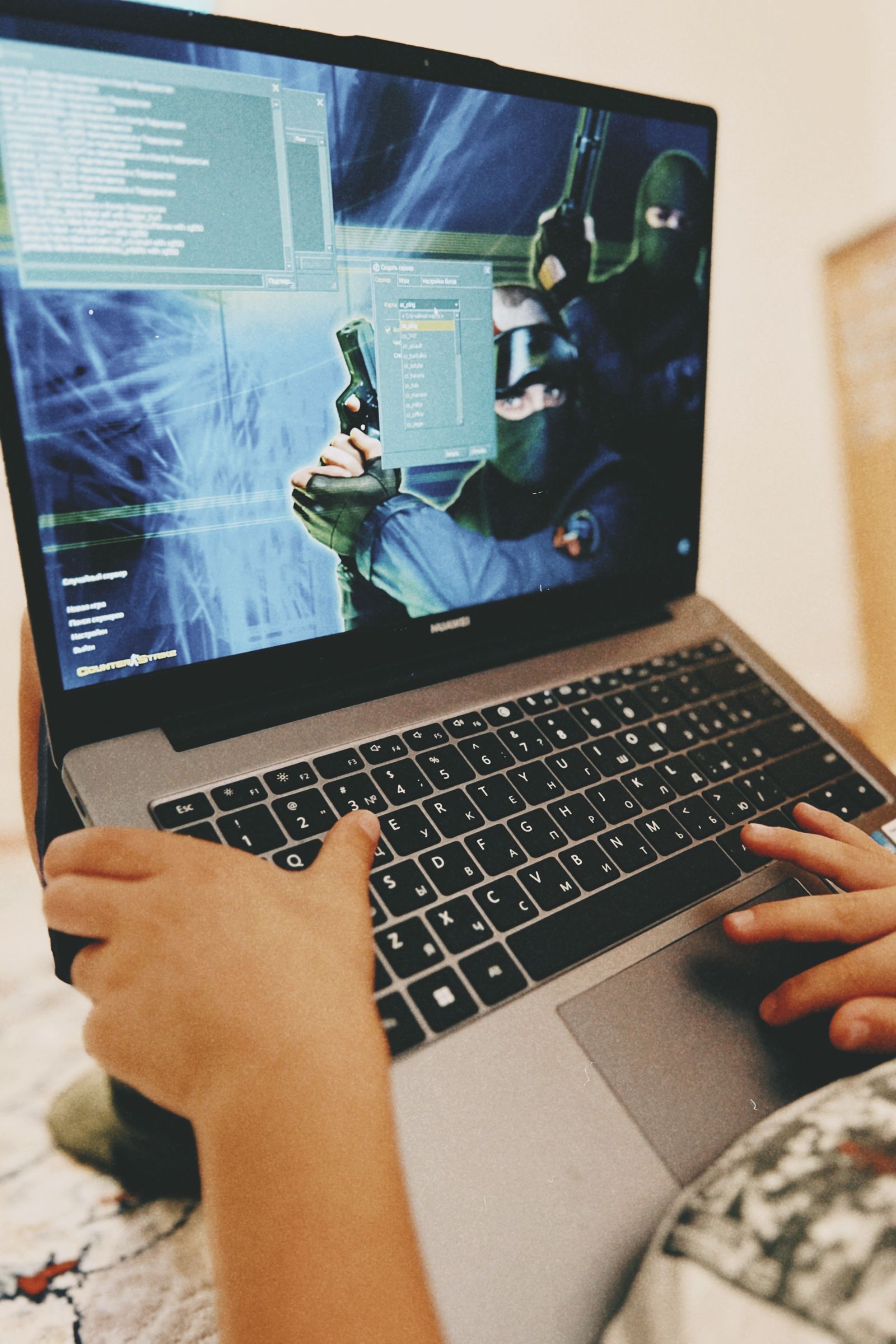
The best gaming memories usually include the people around the screen. Photo: Nenad Stojkovic via Wikimedia Commons, CC BY 2.0.
Make the ritual easy to repeat
Pick a recurring night, keep the session to a reasonable length, and let people drop in or out. A regular 90-minute session is more sustainable than an ambitious all-night plan that everyone avoids the next week.
If the group is tired, play something familiar. If everyone wants novelty, try a short demo or free-to-play option before spending money. The ritual matters more than the perfect game.
What to remember
Gaming works best as a social hobby when the community is more important than the score. Choose for access, laughter and repeatability, then protect everyone’s time and boundaries.
Sources: YPulse 2026 Gaming Report and TikTok Next 2026 Trend Report.


.jpg)
.jpg)