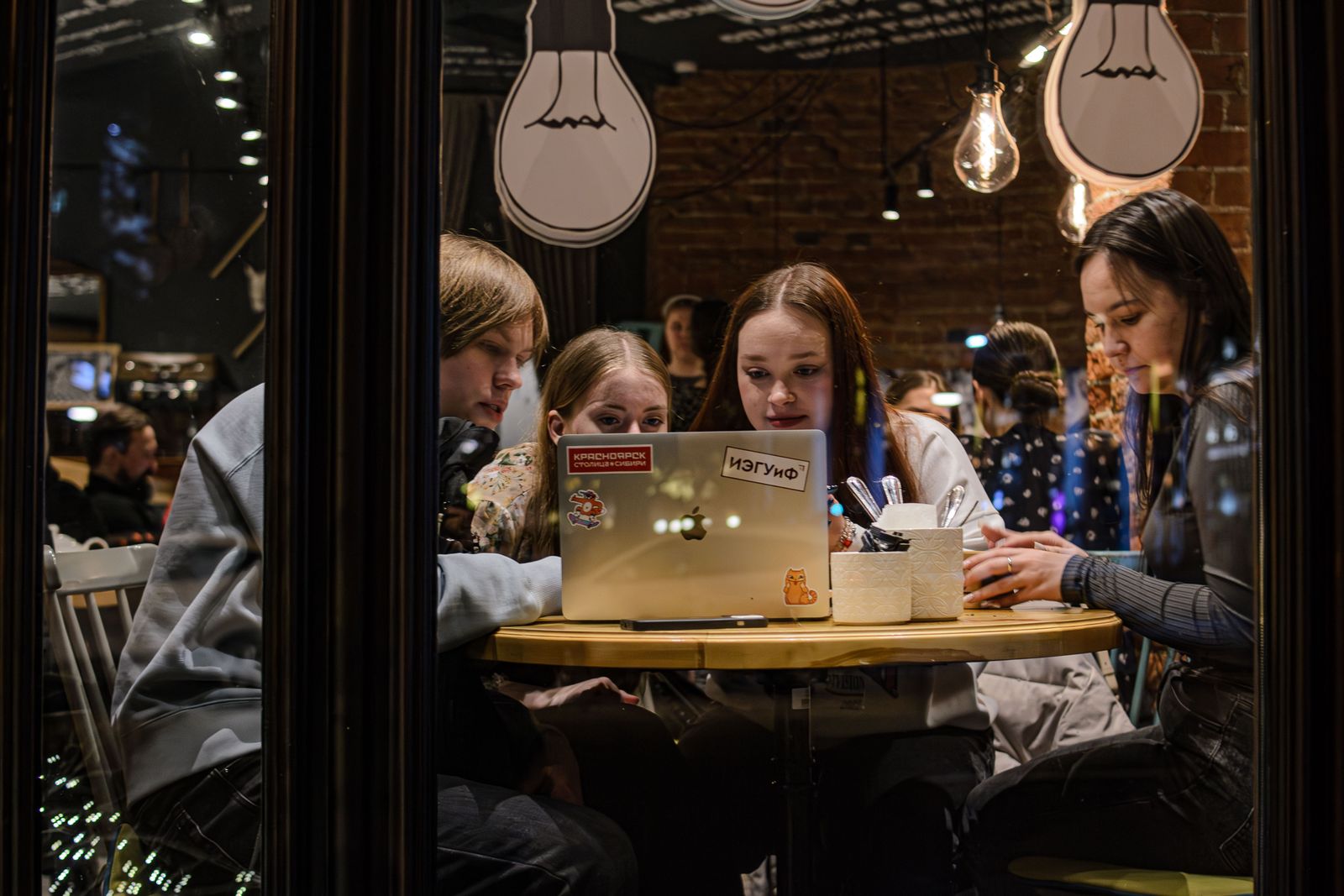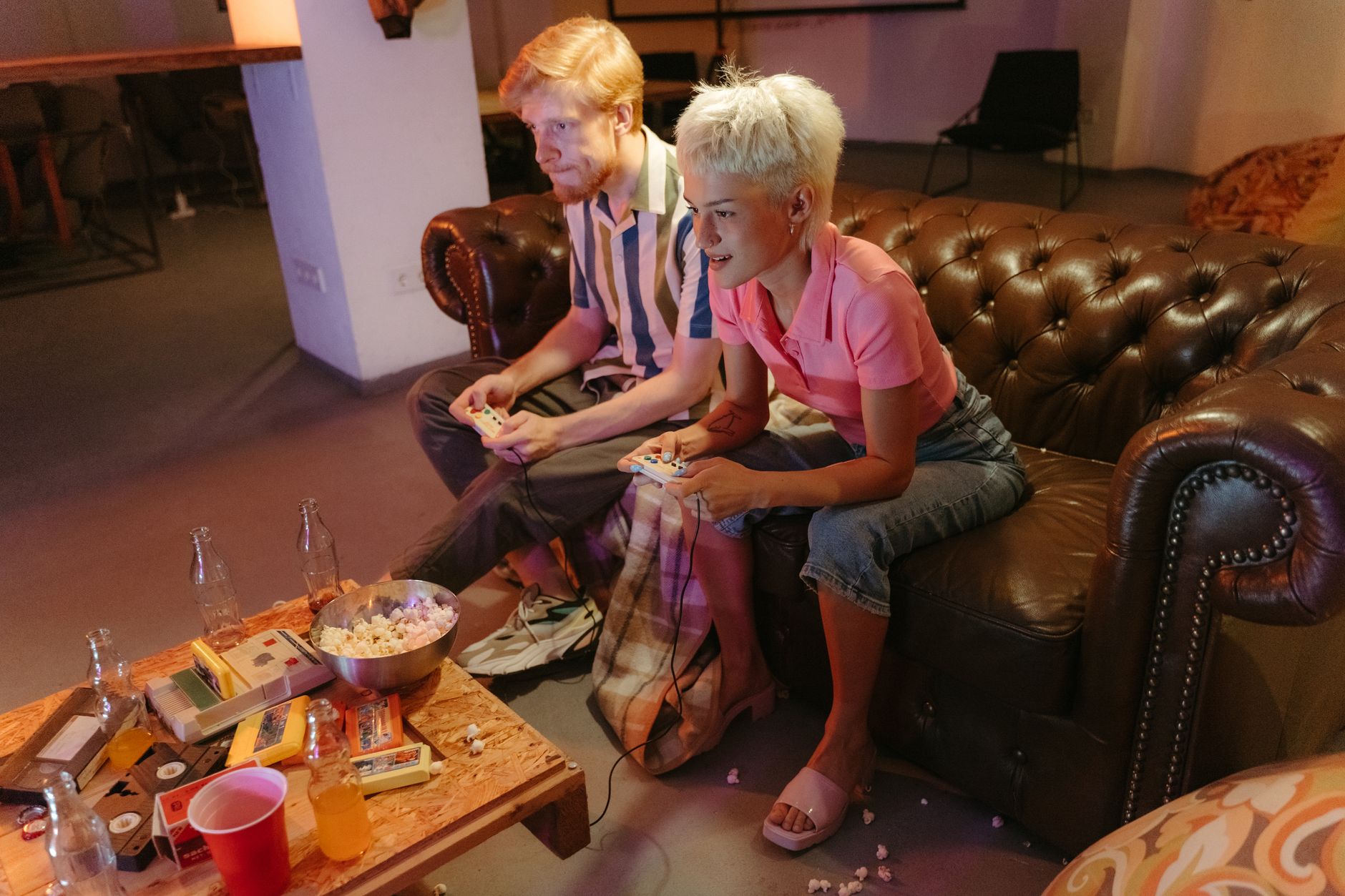
Good gaming nights have a rhythm: a quick start, enough room for people to be bad at the game, and no one person quietly becoming the event manager. The vibe matters as much as the title on the screen.
Choose for the room
If people are tired, pick something with short rounds. If nobody knows the controls, avoid a tutorial that lasts longer than the first match. The best game is the one people can start together.
Keep the stakes low
Friendly competition is fun until every mistake becomes a courtroom case. Rotate teams, celebrate ridiculous plays and let people switch games without making it a dramatic exit.
Make space for the non-gamer
Explain one thing at a time, keep the controls visible and give new players a role that matters. Nobody enjoys being treated like an audience member in their own hangout.
When the game stops being fun
Switch the format: try a co-op mode, a party game, a short challenge or simply put on music and talk. The point is spending time together, not proving the lobby wrong.
Pick the right multiplayer game
For mixed skill levels, choose short rounds, shared objectives or games where losing is funny rather than humiliating. Co-op games, party games and local multiplayer usually get people involved faster than a complicated competitive ladder.
Set the vibe before starting
Choose a rough finish time, keep the first game low-pressure and explain the controls without turning into a tutorial streamer. Have a second option ready if the group is not feeling it.
Let people dip in and out
Someone may arrive late, need a break or prefer watching one round first. A flexible game night feels more welcoming than making every player commit to a three-hour campaign.