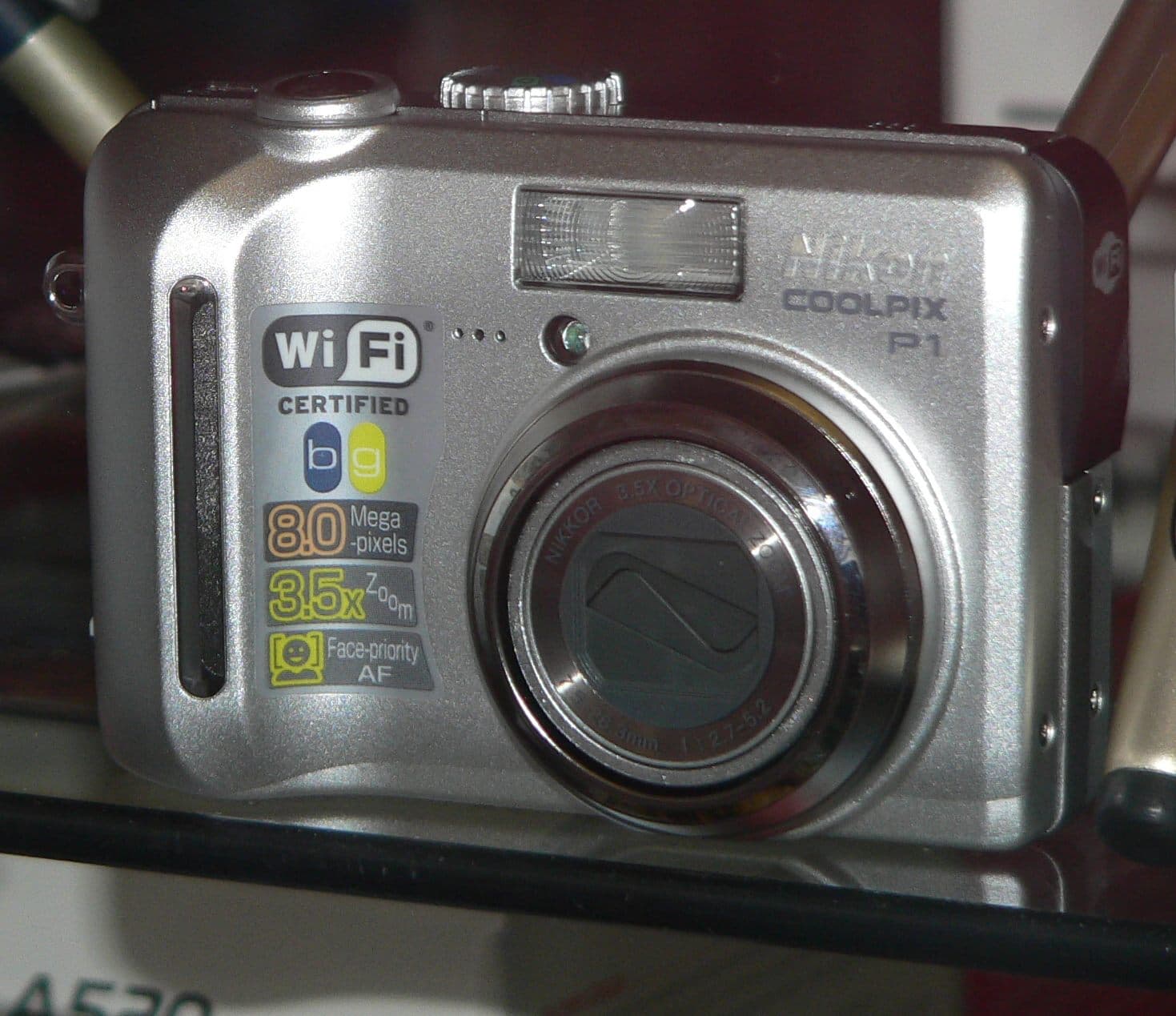
Your phone camera is probably better.
It has more megapixels, smarter autofocus, better low-light processing and a suspicious ability to remove the one person who blinked in a group photo.
So why are people carrying old point-and-shoot cameras again?
The short answer is that the appeal is not really technical. It is the feeling of getting a photo that looks a little less processed, a little more accidental and a lot less like every other photo in your camera roll.
The photo is only part of the point
Taking a photo on your phone is almost frictionless. You can shoot, edit, caption and send it before the moment has fully happened.
An older digital camera interrupts that loop. You have to remember to bring it. You have to find the right button. You might not see the image properly until later. That tiny amount of inconvenience changes the mood.
It turns taking photos into something you are doing, rather than something your hand does while you are already scrolling.
Why the flash look feels different
Compact cameras often produce a direct, bright flash that makes ordinary spaces look strangely cinematic: a kitchen at midnight, a friend laughing in a taxi, a badly lit birthday table.
The result is not always flattering. That is part of why it works.
The image can look like a memory instead of a carefully managed personal-brand asset. A bit of blur or red-eye may communicate more than another perfectly smooth portrait.
Imperfect photos feel more personal
Social feeds have made people very good at recognising the same visual formula: clean light, edited skin, carefully chosen background and the expression that says “I did not try, but I did.”
Older cameras bring back accidents. Someone is half out of frame. The flash hits too hard. The image is slightly soft. The camera catches the moment before everyone has arranged themselves.
That does not make every bad photo good. It makes the good accidents feel earned.

It is also a break from the phone
The digital-camera comeback is partly a tiny rebellion against having your entire social life in one rectangle.
Using a separate camera does not make anyone immune to posting. The photos can still end up on TikTok, Instagram or a group chat. But the act of taking them is separated from notifications, messages and the algorithm waiting on the same screen.
That separation can feel surprisingly refreshing.
Does the trend make sense if the cameras are old?
Yes, because trends are rarely only about efficiency.
People buy physical books when e-readers are lighter. They use film cameras when digital images are easier. They make playlists instead of pressing an algorithmic mix.
The point is not to pretend the older technology is objectively superior. The point is to choose a limitation that gives the activity a different texture.
Should you buy one?
Only if you want the experience. Do not pay a ridiculous price for a camera because a video made it look like a personality transplant.
If you are curious, borrow one first or check second-hand listings carefully. Confirm that it turns on, that the battery and charger are available, and that the storage format is still practical for you.
Then take it somewhere ordinary. The whole appeal is seeing what a familiar day looks like through a different little machine.
The bottom line
Older digital cameras are back because phone cameras solved the image problem but not the feeling problem.
People want photos that feel less polished, activities that are not immediately swallowed by the feed and memories that do not begin as content strategy.
The camera does not have to be better. It just has to make you look up.

